Introduction
When snow and ice cover the ground, ordinary tents often struggle in field conditions. Heavy snow and strong winds can damage standard shelters. Frozen ground and extreme cold can also make field operations more difficult.
Arctic military tents are built to handle these challenges. They are used in military missions, research expeditions, and remote field operations. Beyond simply covering space, they protect personnel, secure equipment, and support daily operations. This article explains how Arctic military tents differ. It also covers their materials, common applications, and how to choose the right shelter.
What Makes Arctic Military Tents Different from Standard Tents?
A standard tent is mainly designed for short-term use. It is lightweight and easy to set up, with a simple frame and single layer fabric. It performs well in mild conditions but has clear limitations in harsher weather. Strong wind, snow buildup, and prolonged exposure to cold can gradually reduce stability and comfort during extended use.
Arctic military tents take a different approach. They are built with a reinforced metal frame system designed to withstand heavy wind and snow loads, ensuring stable performance in demanding outdoor environments. The fabric system is also upgraded into a multi layer design, improving resistance to wind penetration, moisture, and heat loss. These improvements allow the tent to maintain more consistent performance in low temperature and high stress conditions.
Key Performance Features of Arctic Military Tents
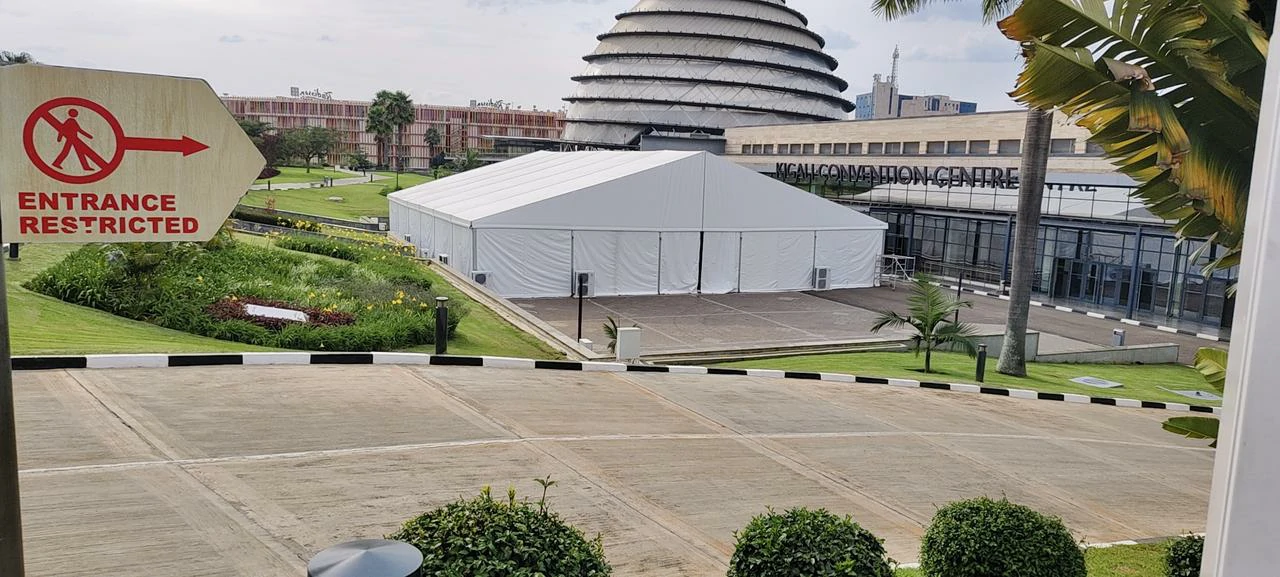
Its shape reduces wind pressure and allows snow to slide off instead of building up on the roof. This lowers the load on the fabric and helps the tent stay stable during winter conditions.
The interior of an Arctic military tent is wide and open. There are no poles to block space. This allows for an easy setup of heating and climate control tools and creates a path for fresh air to flow through the room.
To secure long durability, the tent uses reinforced joints and heavy anchors. The frame stays strong under sudden mountain storms. The thick fabric resists tearing even when the winds stretch the walls. These structural upgrades prevent deformation and extend the Arctic military tent’s service life for years.
What Are Arctic Military Tents Made Of?
Arctic military tents are built with several key components that work together to handle extreme cold conditions. The outer shell, inner lining, frame, and connectors each play an important role in providing weather protection, insulation, and structural stability. Understanding these materials and structures helps explain why these shelters can perform in harsh winter environments.
Outer Shell Fabrics
Arctic military tents rely on an outer shell that blocks snow, wind, and moisture to secure the camp. High strength nylon or polyester with specialized base fabrics with specialized PVC, PU, or PVDF coatings forms this protective layer. For specific military missions, heavy cotton canvas is also a choice for the Arctic military tent.
These protective fabrics ensure the structure survives raw freezing storms. Specially coated fabrics and heavy canvas do not crack or harden in extreme cold, effectively protecting soldiers from frozen water, blinding UV rays, and sudden fire hazards in the field.
Inner Lining and Insulation Layers
The inner lining helps maintain usable indoor conditions in cold environments. In Arctic military tents, this layer is usually moisture resistant, and flame retardant, helping improve comfort, safety, and durability in harsh conditions.
Behind the lining, insulation layers are used to reduce heat loss and improve thermal performance. Common materials include rubber foam insulation and aluminum foil bubble insulation. Rubber foam insulation cotton is flexible and provides steady thermal resistance, making it suitable for long-term use in low-temperature environments. Aluminum foil bubble insulation cotton reflects radiant heat and helps reduce heat loss caused by heat transfer, improving overall insulation efficiency.
These insulation materials are usually combined with an air gap between the inner and outer layers. The air layer slows heat transfer through conduction and convection, while the insulation materials reduce overall heat exchange with the outside environment. This multi layer system helps maintain more stable indoor temperatures and improves resistance to changing weather conditions.
Heavy-Duty Frame Materials
Frames are typically aluminum alloy or galvanized steel. Aluminum balances strength and weight while helping reduce transportation and handling costs. balances strength and weight. Galvanized steel is chosen for higher loads or longer use. Both maintain tent stability under snow and wind.
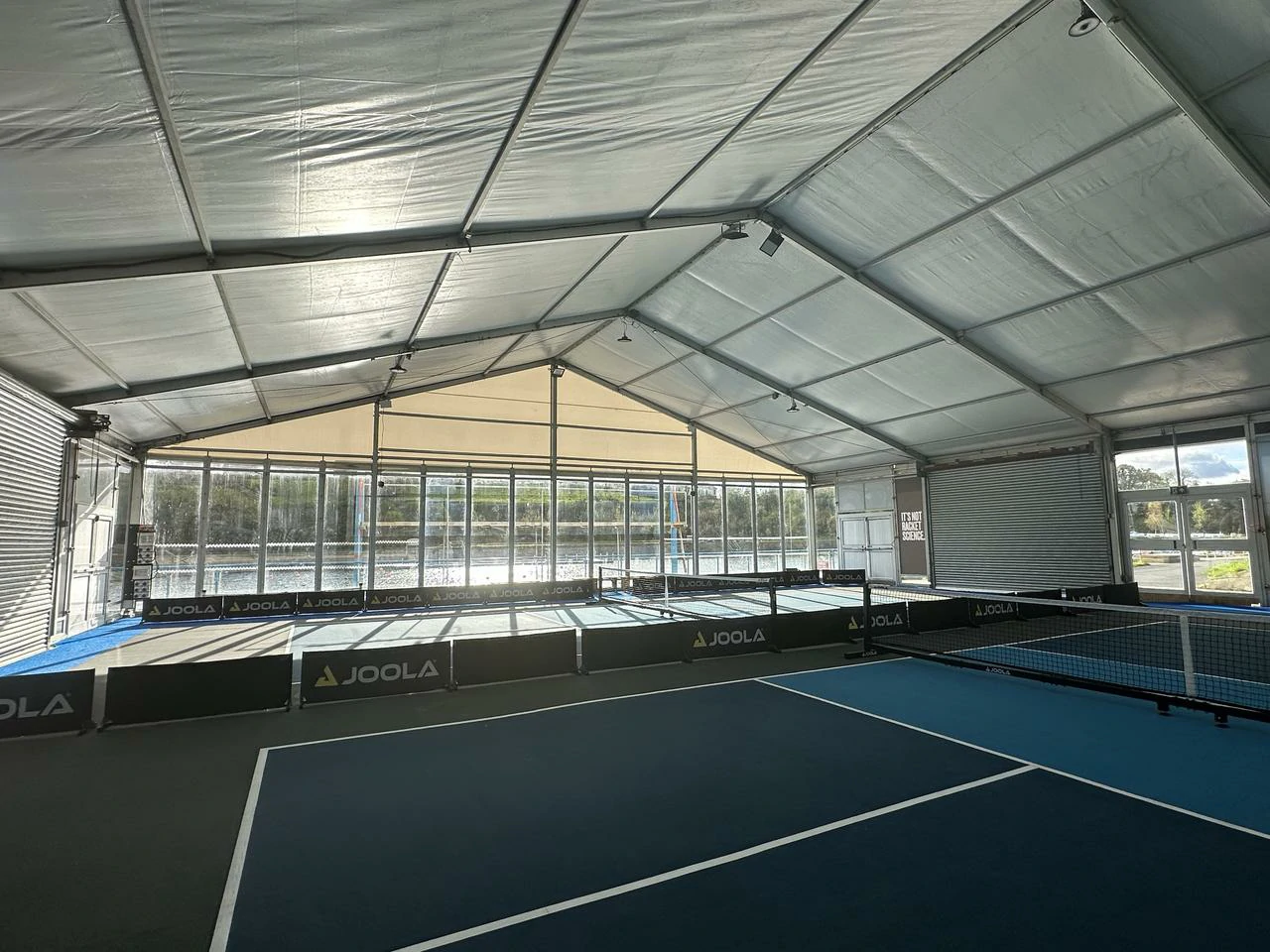
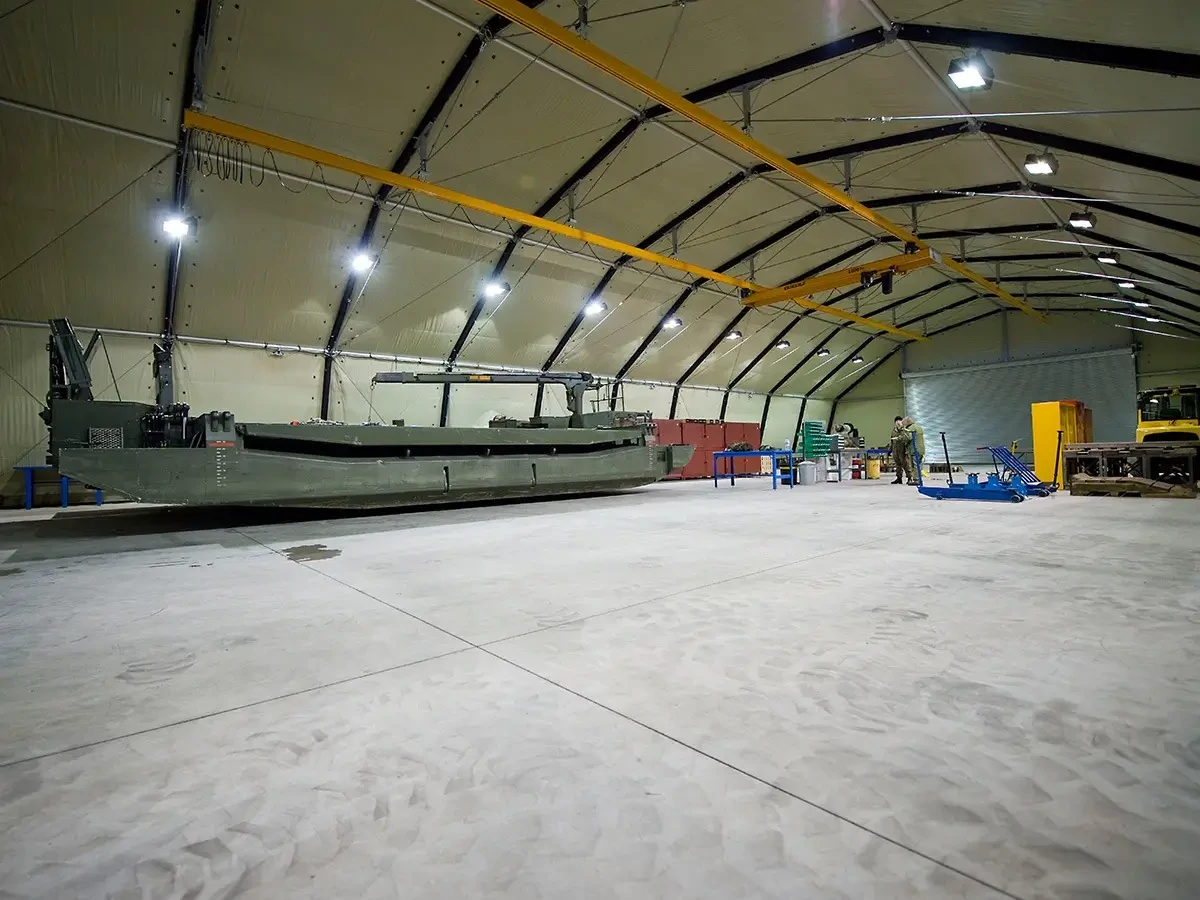
Many cold-weather military tents also use a clear-span design. Without interior poles, the structure provides a larger unobstructed interior area. This makes it easier to accommodate personnel, equipment, vehicles, or storage while allowing the space to be arranged according to operational requirements.

Structural Connectors and Accessories
Structural connectors and accessories help hold the entire shelter system together. Common components include corrosion-resistant connectors, ground anchors, tensioning cables, and snow anchoring devices.
Corrosion-resistant connectors are typically made from galvanized or stainless steel to improve durability in harsh conditions. Ground anchoring systems use different methods such as stakes, screw anchors, or weighted bases depending on soil and snow conditions. Tensioning cables help stabilize the structure under wind loads, while snow anchoring devices improve safety in heavy snow environments. Despite their size, these components play an important role in maintaining structural integrity, especially in Arctic military tents.
Cold weather environments create unique installation challenges. Frozen ground can make conventional anchoring methods less effective, while snow-covered surfaces may reduce ground friction. To address these conditions, military winter tents often use reinforced anchoring systems designed for frozen soil, compacted snow, or uneven terrain.
Tensioning systems are also important because they help keep the fabric under proper tension. This reduces unnecessary fabric movement during strong winds and helps the structure maintain its intended shape. When combined with appropriate anchoring methods, these accessories help a military Arctic tent remain secure in demanding winter environments.
Common Applications of Military Arctic Tents
Arctic military tents are designed for use in remote areas and extreme weather conditions. They provide reliable temporary shelters for personnel, equipment, and different field activities. These tents are widely used in military operations, scientific research, industrial projects, and emergency response situations where quick deployment and weather protection are required.
Military and Defense Operations
Military operations often use Arctic tents as temporary shelters for field camps, command centers, medical stations, and equipment storage areas. These shelters provide a practical space for personnel to work and rest during missions in cold and challenging locations.
Arctic military tents are designed for longer deployments and regular daily use. They need to remain stable in heavy snow, strong winds, and low temperatures while keeping people and equipment protected. Some modular tent structures, such as arcum tents, can also be adapted for military field applications that require flexible and reliable shelter solutions. Continued improvements in materials, structures, and deployment methods have also contributed to military tent innovation, helping these shelters meet changing operational needs.

Scientific Research and Polar Expeditions
In polar and mountainous regions, research teams work in freezing temperatures, strong winds, and remote field conditions. Arctic tents create protected environments for laboratories, living spaces, and equipment storage. Their insulated structures help scientists conduct research, store sensitive instruments, and manage daily activities during long-term expeditions. TFS tents are also suitable for these environments because their spacious and adaptable design supports field operations.
These shelters need to perform reliably over long periods. They must protect equipment and samples while providing a comfortable space for researchers working in shifts. Effective insulation helps reduce heat loss and supports a more stable working environment in severe weather.

Industrial and Remote Construction Projects
Mining, oil and gas projects, and remote construction sites often operate in cold and challenging locations where permanent buildings are not practical. Arctic shelters provide space for worker accommodation, equipment storage, maintenance activities, and site offices. They also help protect tools, machinery, and supplies from snow, ice, and low temperatures while supporting daily operations.
Many projects choose hoop building structures because they can be installed quickly and adapted to different site layouts and ground conditions. These structures are typically designed as fully enclosed spaces, but can also be customized into semi-open or fully open configurations. This flexibility allows easier equipment handling, material loading, and vehicle access while supporting changing operational needs throughout the project.

Emergency Response and Disaster Relief
Snowstorms, cold waves, and mountain disasters often leave little time for preparation. Emergency teams have to establish a safe indoor space quickly, sometimes within hours. Arctic military tents are commonly used in these situations for temporary shelter, medical treatment, and command coordination.
Deployment speed is the main advantage. Crews can set up a functional shelter on uneven or snow-covered ground without complex construction work. This allows rescue operations to begin sooner, while keeping both responders and affected people protected. In larger emergency operations, the need for more space may increase. Polygon tent structures can meet this need while allowing fast and easy deployment. They also provide flexible scalability for changing operational demands.

How to Choose the Right Arctic Military Tent?
Start with the mission. A command center, barracks, or warehouse each has different layout requirements. The choice of an Arctic military tent should fit the purpose, the site conditions, and the climate. A shelter for short-term use may prioritize speed and portability, while a long-term base needs durability and space planning.
Next, consider people and equipment. How many personnel will occupy the tent? How much gear needs storage? Larger teams need more room and a functional interior layout. Modular designs can help expand space as the project grows, allowing the shelter to adapt to changing needs.
Budget is an important part of selecting an Arctic military tent. Projects differ in scale, duration, and technical requirements. These factors all affect the overall cost. The goal is to choose an Arctic military tent that balances cost with operational needs while meeting real-world performance requirements.
How Much Do Cold-Weather Military Tents Cost?
The cost of a cold-weather military tent varies based on its size, structural materials, insulation system, and customization requirements. Models built for extreme temperatures and heavy snow conditions generally cost more because they require stronger frames and higher-performance fabric.
Small temporary shelters often start at around $3,000 to $5,000. Larger systems intended for long-term deployment can exceed $20,000. While basic shelters have a lower initial cost, long-term structures usually offer better durability, stronger weather resistance, and a longer service life. For projects in harsh environments, the higher upfront investment can provide greater reliability and lower replacement frequency over time.
Conclusion
Arctic military tents provide reliable shelter in cold climates, remote locations, and challenging working environments. Their durable frame systems, insulated covers, and flexible layouts support military missions, scientific research, industrial projects, and emergency response operations.
Beyond weather protection, these structures offer practical space for people, equipment, and daily activities in the field. Their combination of durability, mobility, and adaptability makes them a dependable solution for temporary or long-term use. If you are planning a project in extreme conditions, contact Shelter Structures to explore Arctic military tents and customized shelter solutions.